

Jawbone Volume & Density
Implants need bone to anchor into. Bone shrinks after tooth loss, but techniques like angled implant placement (used in All-on-4) and bone grafting often make implants possible even when bone loss is significant.
Many people assume they're not a candidate for dental implants because of their age, bone loss or how long they've been missing teeth. In reality, most adults with missing or failing teeth can benefit from some form of implant treatment. The only way to know for sure is a consultation and 3D scan with Dr. Amani Takher.
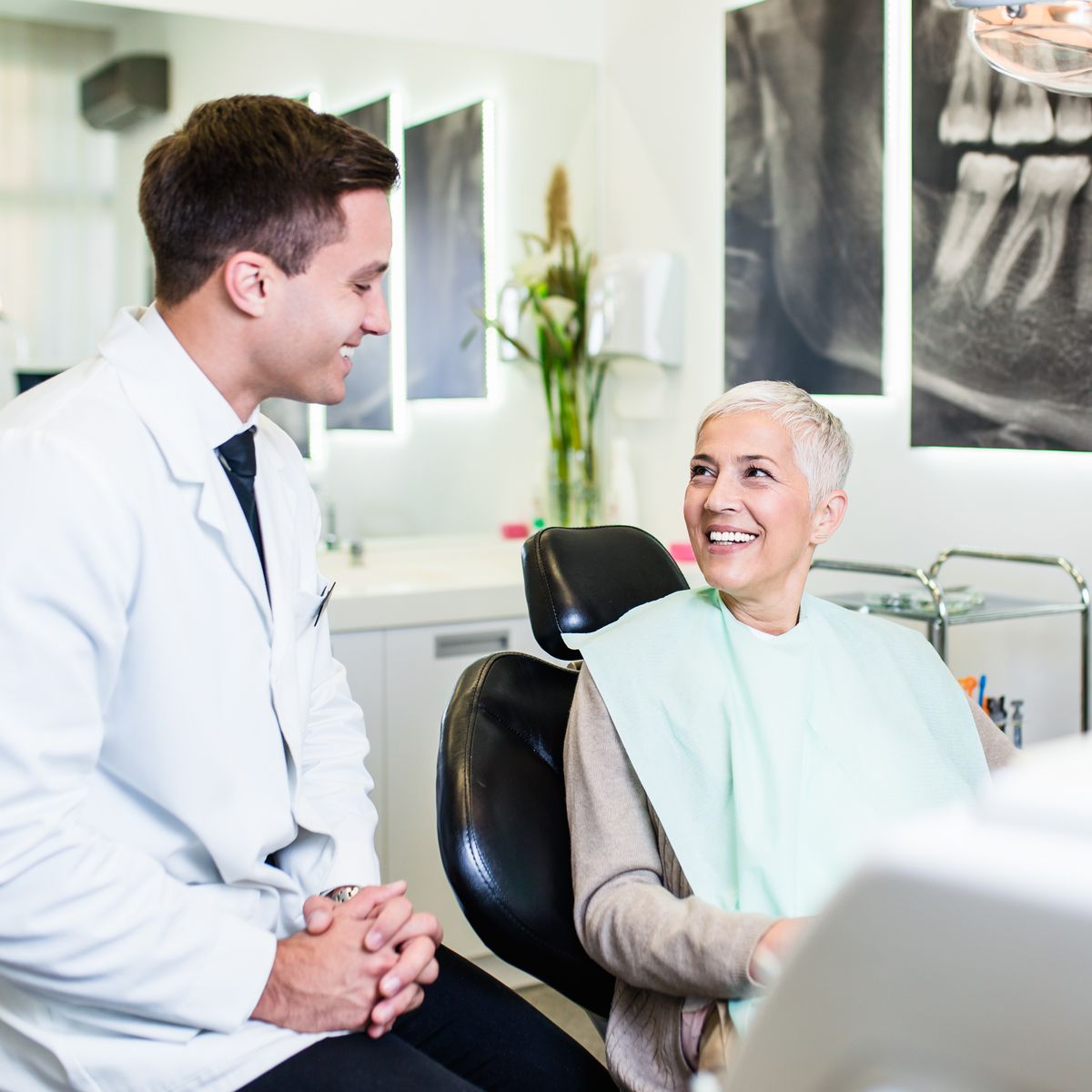
Implants need bone to anchor into. Bone shrinks after tooth loss, but techniques like angled implant placement (used in All-on-4) and bone grafting often make implants possible even when bone loss is significant.
Conditions such as uncontrolled diabetes, certain medications and immune conditions can affect healing. Many patients with well-managed health conditions are still excellent candidates. Dr. Takher will review your medical history and may coordinate with your physician.
Active gum disease needs to be treated before or during implant treatment to support healing and long-term success.
Smoking slows healing and increases the risk of implant failure. Quitting, or at least stopping before and after surgery, improves your outcome.
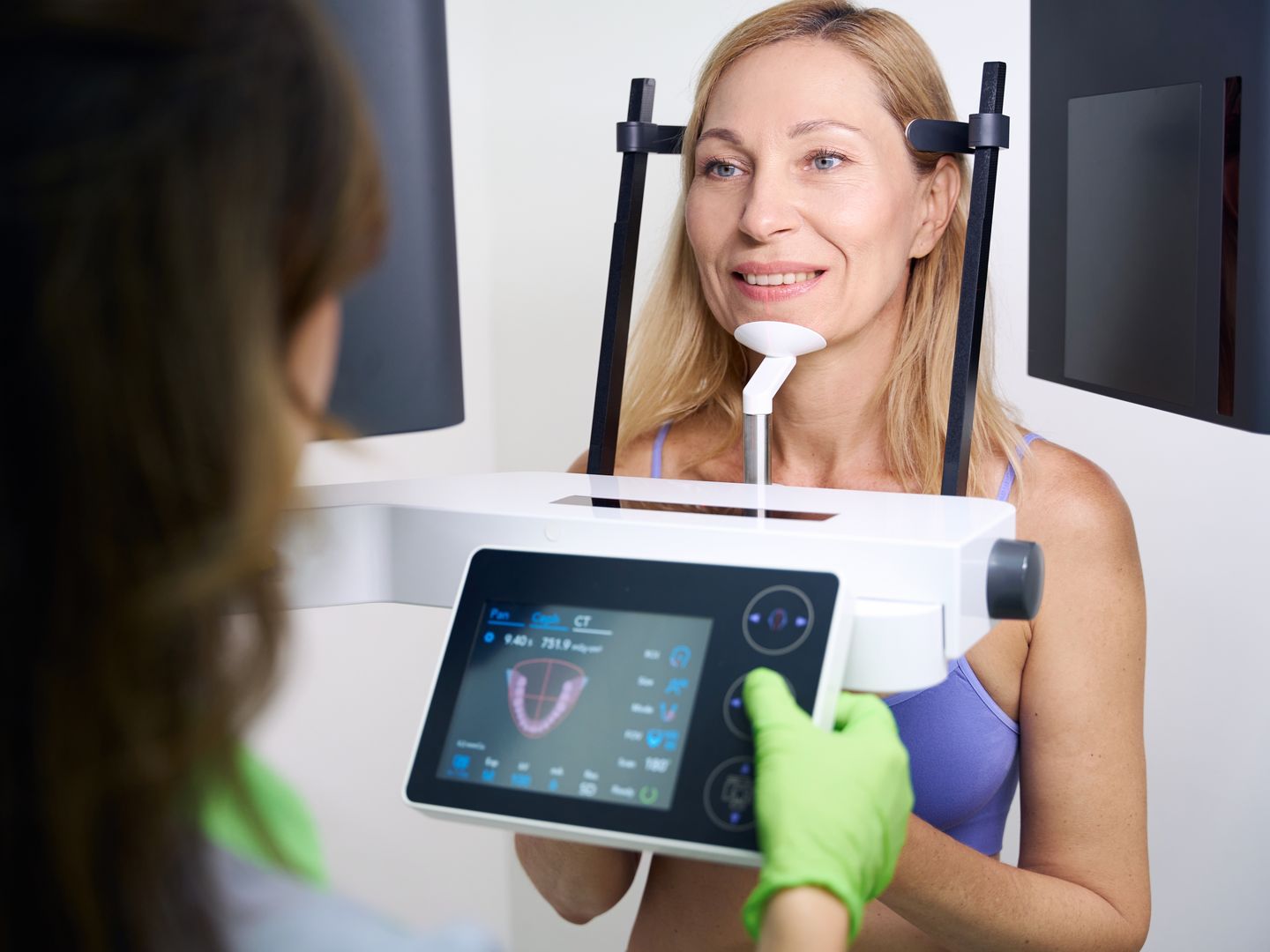
This is one of the most common things we hear. Advances in 3D planning and angled implant placement mean many patients who were turned away in the past can now receive fixed implant teeth. If you've been told no before, a second opinion is worth it.
There's no upper age limit for dental implants. Your overall health and bone condition matter far more than your age. Implants are typically placed once jaw growth is complete in adulthood.
Call (707) 314-5816 to schedule your consultation and 3D scan with Dr. Takher.


 Call Now (707) 314-5816
 Call Now (707) 314-5816